The chalk stream directory
Find your next beat on England's chalk streams
Compare beats on the Test, Itchen, Kennet and more, then book direct with the fishery.
Run a fishery, estate or guiding business? Add your water to the map and reach anglers looking for a beat.
Get listed →Our mission
Chalk stream fishing, all in one place
Finding somewhere to fish is still scattered across estate websites, agents and word of mouth. We're mapping every beat so you can compare water and book with confidence.
- 01 Every beat mapped Beats, fisheries and rivers on one map, with pricing and fishing details.
- 02 Free for anglers Browsing and comparing water costs nothing, and no account is needed.
- 03 Book direct Every listing links to the fishery or agent that actually runs the water.
Find your fit
Beats to match how you fish
Jump straight to the beats that suit you, no filtering required.
Rivers on FishingBeats
Explore England's most celebrated fly fishing destinations
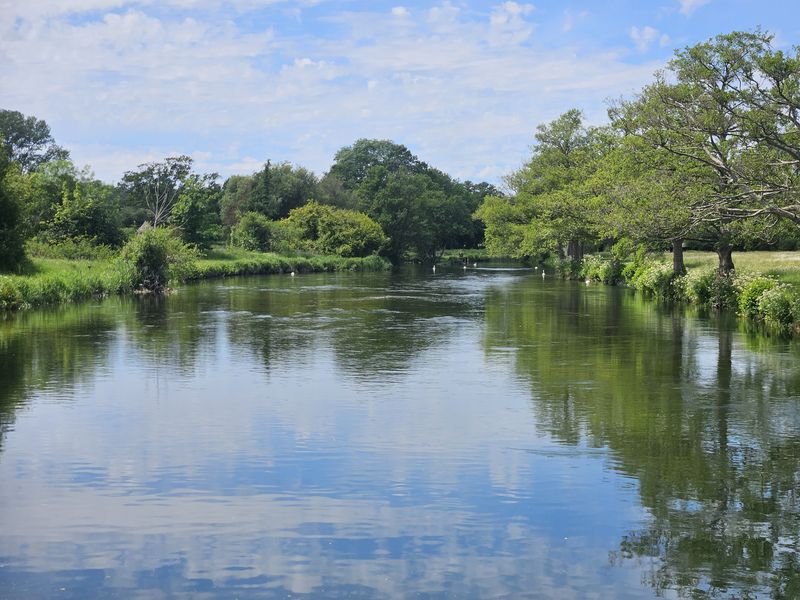
Hampshire
River Test
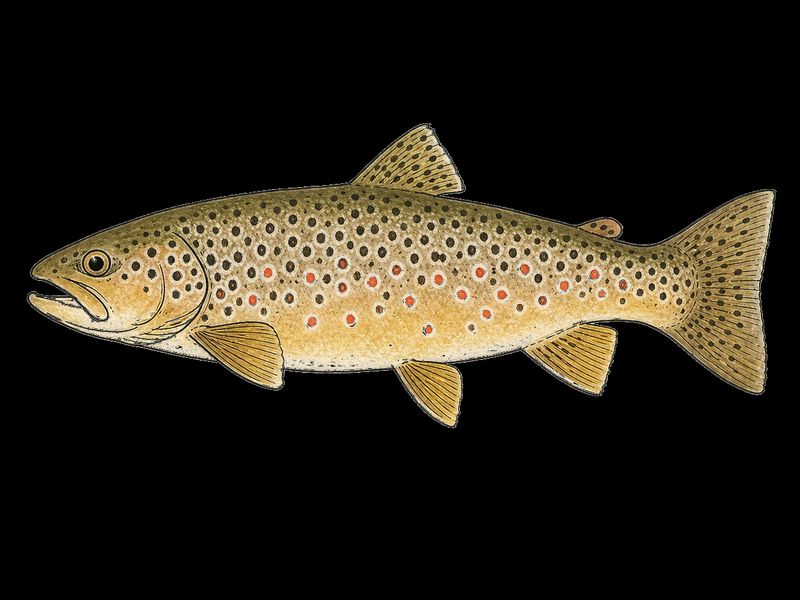
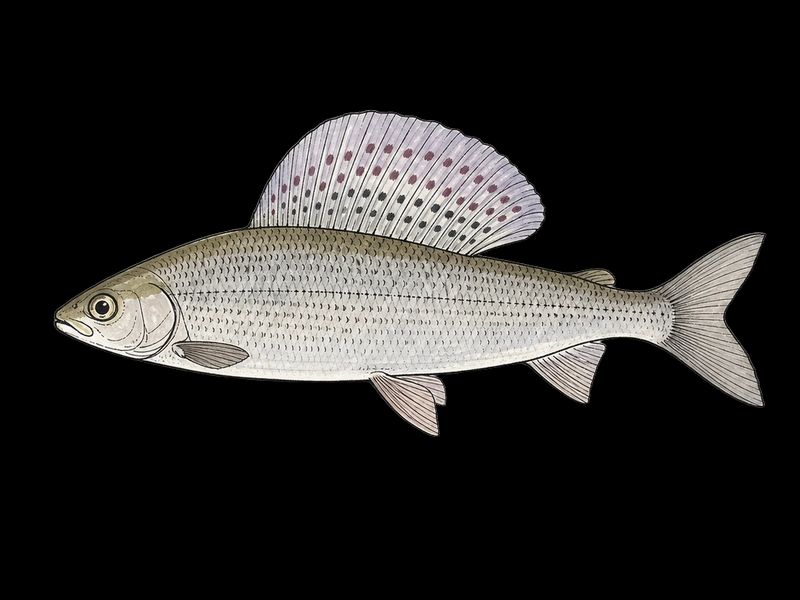
Rising at Ashe, near Overton, the River Test runs for 40 miles through Hampshire, flowing south through Whitchurch, Longparish, and Wherwell before the Rivers Dever and Anton join the main channel near Chilbolton. For much of its length the Test is not one river but an amalgam of main channel, mill leats, carriers, and side streams, with two, three, or even four streams running parallel, all fishable, and it can be difficult to distinguish carrier from main river. The valley broadens through Stockbridge and Houghton before the Wallop Brook and River Dun add their flow near Kimbridge and Romsey, with the Test finally becoming a single channel only south of Romsey, a few miles from the sea. The river is one of only 12 chalk streams classified as a Site of Special Scientific Interest and one of only six that supports Atlantic salmon. It is recognised as being particularly sensitive to phosphate pollution, and conservation work by riparian owners, river keepers, and the Test and Itchen Association remains central to maintaining its ecology. It was on the banks of the River Test that Frederick Halford honed his ground-breaking ideas that effectively invented modern dry fly fishing in the late 1800s. That tradition still defines how most beats are fished: upstream dry fly and nymph, presented to visible, rising fish. The river supports over half a dozen species of stonefly, twenty-two species of mayfly, and nearly forty species of caddis fly, with grannom and hawthorn fly opening the season in spring and the mayfly hatch in late May drawing anglers from across the country. Wild brown trout are the primary quarry through the trout season, with all present across the valley. The river holds good populations of wild brown trout and grayling alongside stocked fish, and the salmon beats carry genuine holding pools. Grayling provide sport on dry fly and nymph into winter once the trout season closes. With 57 beats across 10 fisheries listed on FishingBeats, access to the River Test is broader than its private reputation might suggest. Kimbridge Estate offers seven miles of fishable bank managed to maintain a purist upstream dry fly fishery, while the Broadlands Estate extends for two and a half miles divided into dedicated trout beats and salmon beats. The Leckford Estate on the middle Test, north of Stockbridge, has 16 fishing beats open to anglers from May to October. Day tickets, season rods, and syndicate shares are all available across the valley.
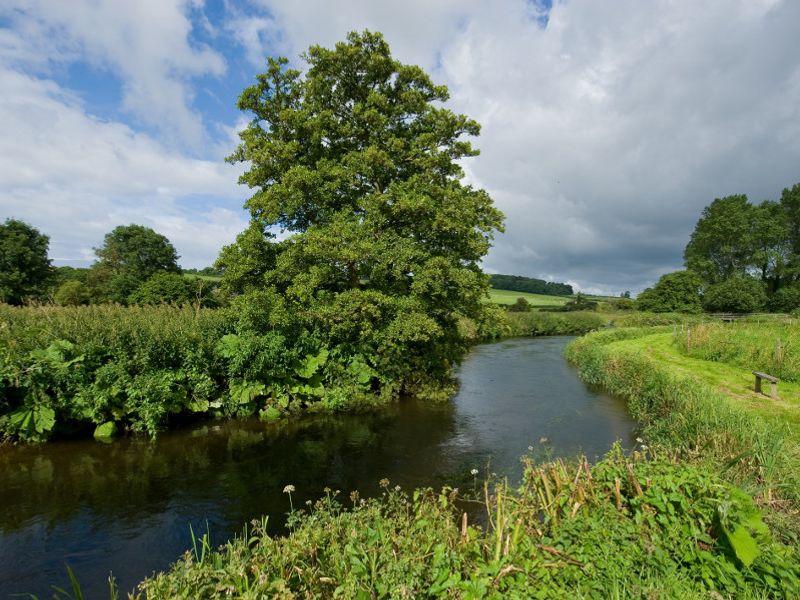
Dorset
River Frome
England's most westerly major chalk stream, the River Frome rises from St John's Well in the village of Evershot and runs for 35 miles through the heart of Dorset. From Evershot it passes through Cattistock, Maiden Newton, and Dorchester before broadening across a wide flood plain and meandering through West Stafford and Woodsford to reach Wareham, where it enters Poole Harbour alongside the parallel River Piddle. Compared with most southern chalk streams, the Frome is relatively unaffected by abstraction, which keeps flows consistent and the fishing productive across the full season. Riffles, pools, glides, gravelly runs, and beds of ranunculus characterise the upper and middle river, while the geology shifts east of Dorchester onto sands and clays, giving the lower reaches a distinctly different, broader character. The river holds , and the trout season opens in April with grannom and large dark olives, followed by hawthorn and a reliable mayfly hatch running from mid-May into June. High-summer evenings fish well on pale wateries, blue-winged olives, and sedges that continue into autumn, making September and October worth planning for. Grayling are the river's other notable draw: the Frome has produced the British record three times, most recently a fish of 4lb 8oz taken in 2019, and the winter season runs from mid-June through to mid-March. Upstream dry fly and nymph are the standard methods; some beats permit wading, which opens up water that bank fishing alone cannot cover. The lower river sees runs of salmon and sea trout, though salmon numbers have fallen sharply from a peak of over 4,000 fish in 1988, and the Game and Wildlife Conservation Trust operates a research centre at East Stoke to investigate the decline. The river is designated both a Site of Special Scientific Interest and a Special Area of Conservation, and conservation work led in part by founders of the Wild Trout Trust has helped establish self-sustaining wild trout populations across the Wessex streams. FishingBeats lists 18 beats on the River Frome, covering water from the intimate upper reaches above Maiden Newton to the broader mid-river and lower stretches.
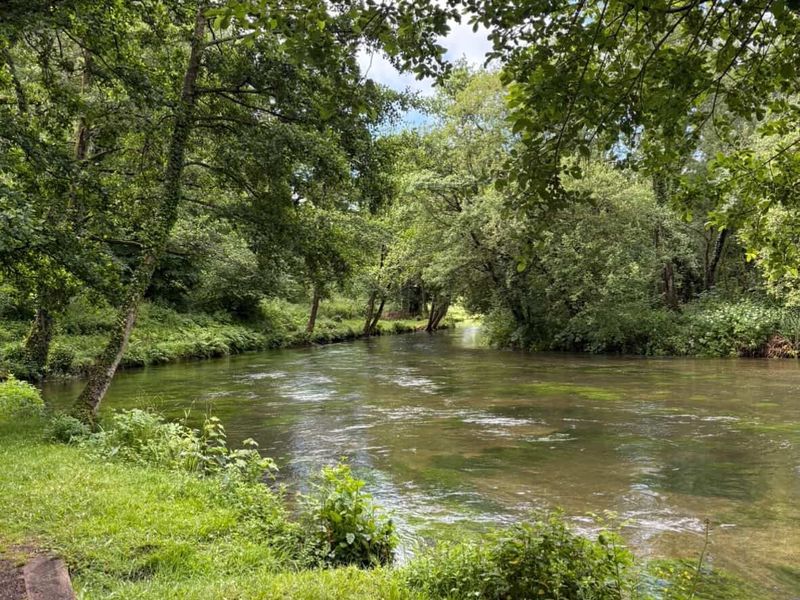
Hampshire
River Itchen
A Hampshire chalk stream rising from springs near New Cheriton, the River Itchen runs 28 miles through the Hampshire Downs, collecting the River Alre and Candover Brook just west of Alresford before turning west through the villages of Itchen Abbas, Itchen Stoke, Martyr Worthy and Easton, entering Winchester across Winnall Moors and continuing south through water meadows to its tidal mouth at Southampton Water. Fed entirely by the chalk aquifer, the river carries naturally hard, alkaline water at a near-constant temperature with a stable base flow, giving it the physical uniformity that distinguishes it from most other river types. It holds designations as both a Site of Special Scientific Interest and a Special Area of Conservation, and phosphorus concentrations in parts of the catchment exceed conservation targets; the Environment Agency has tightened discharge permit limits specifically because of the SAC status, and riparian owners and conservation bodies continue active monitoring and restoration work. The River Itchen carries , with wild brown trout the primary quarry above Winchester and Atlantic salmon and sea trout present in the lower reaches. Hatches of blue-winged olive and sedge are reliable throughout the season, and mayfly appears, though generally lighter than on the Test or Avon. Most beats are fished upstream on the dry fly to rising fish, a method codified on this very water by F. M. Halford and G. S. Marryat in the nineteenth century; G. E. M. Skues later fished Abbotts Barton for decades and developed nymph technique here as a counterpoint to the dry fly doctrine. Where beat rules permit, nymphing remains effective. Grayling offer sport through the winter months. Above Winchester the river is managed predominantly by clubs and syndicates, with day rods only occasionally available. Below Winchester a mixture of private estates and syndicate waters continues to Southampton. FishingBeats currently lists 12 beats across 3 fisheries on the River Itchen.
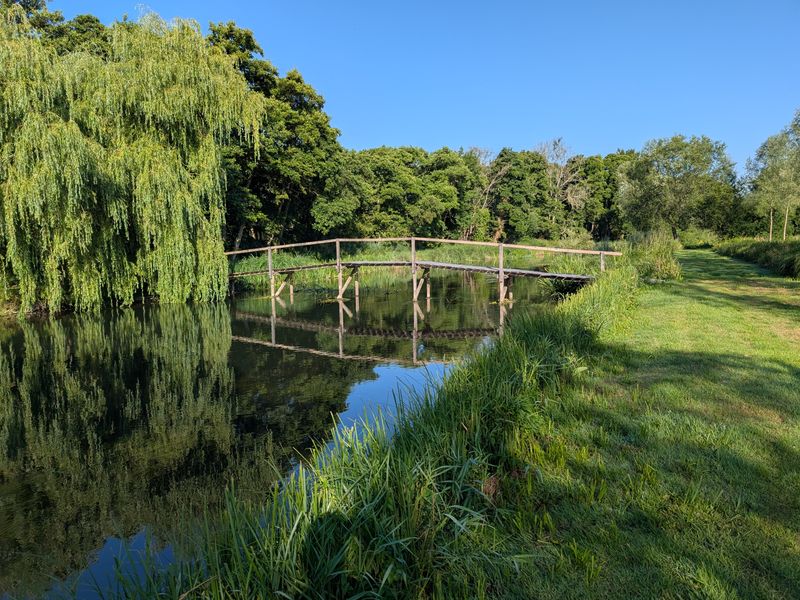
Berkshire · Wiltshire
River Kennet
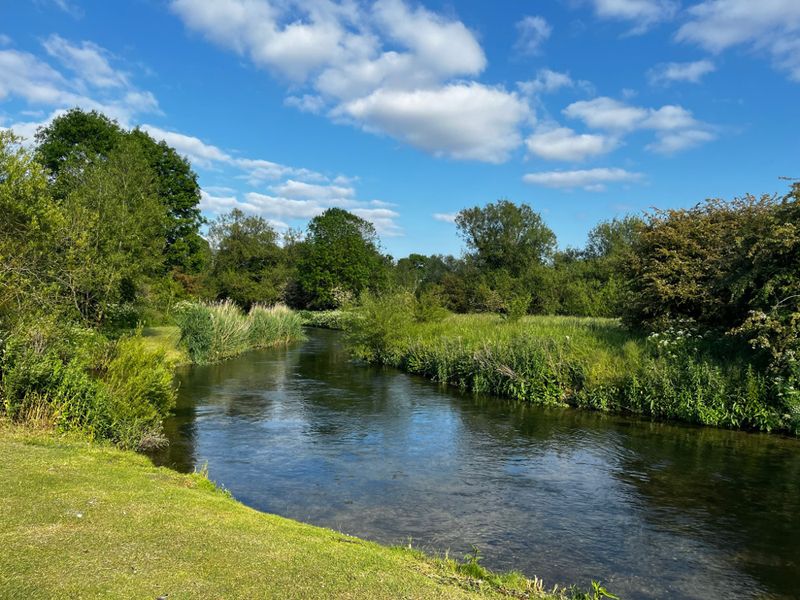
Rising from Swallowhead Springs near Silbury Hill in Wiltshire, the River Kennet is a chalk stream of 45 miles, flowing east through Marlborough and into Berkshire at Hungerford, where the Kennet and Avon Canal joins its course, then on through Newbury, where the River Lambourn enters, and east to Reading, where it meets the Thames. In summer it contributes up to half the Thames's flow at that point. Though it is only 22 miles from source to Newbury, 18th-century water engineers created more than 80 miles of fishable water through a maze of carriers. The upper reaches have classic chalk stream characteristics and the river has been famous for trout fishing since the late nineteenth century. The River Kennet holds and fishes primarily on upstream dry fly, with nymph permitted on some beats. Olive hatches in spring combine with grannom and hawthorn before the mayfly arrives, which is followed by excellent evening fishing through summer as caddis flies gather. The mayfly arrives comparatively late relative to other southern chalk streams, with the best sport often found in the first weeks of June. In winter the river runs exceptionally clear, offering some of the finest sight-fishing for grayling available on any English chalk stream. The river carries notable angling history: Halford held a lease on a considerable length of water in the late 1800s, and John Waller Hills wrote regularly about the native Kennet brown trout, known as the "greenback", now a much sought-after rarity. The Eastridge Estate's stretch on the Berkshire and Wiltshire border won the Wild Trout Trust's 2014 Conservation Award for its habitat improvement work. Anglers should be aware that the Angling Trust and Action for the River Kennet (ARK) have raised significant concerns regarding ongoing sewage pollution in the Kennet catchment, overseen by Thames Water. FishingBeats lists 12 beats across the River Kennet, spread across 1 fisheries. Notable stretches include Barton Court near Kintbury, which offers over three miles of main river, carriers, and side streams across classic Berkshire water meadows, and the Benham Estate on the lower river.
Wiltshire
Hampshire Avon
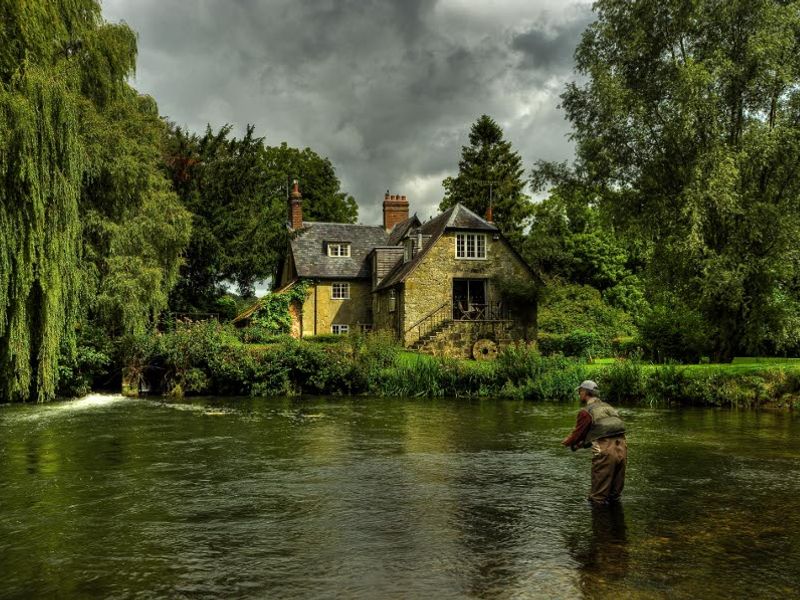
Formed by two headwaters rising in the Vale of Pewsey, the Hampshire Avon merges near Upavon and flows south for 60 miles across Salisbury Plain, passing through Durrington, Amesbury and Salisbury before crossing into Hampshire and running through Fordingbridge and Ringwood to empty into Christchurch Harbour. The East Avon rises from chalk while the West Avon rises in greensand, meaning the river is not a true chalk stream in the strictest sense. Persistent heavy rain early in the season can leave it briefly coloured, though from summer through to the end of the season water clarity is comparable to many chalk streams. The catchment is one of the most biodiverse in the UK, with over 180 species of aquatic plants and 37 species of fish recorded. The river system is designated as an SSSI along approximately 205 kilometres of its course, and holds Special Area of Conservation status, protecting its Ranunculus-dominated weed beds and gravelly spawning grounds. WildFish, in partnership with Wiltshire Fishery Association, has published SmartRivers monitoring findings from ten years of invertebrate surveys on the Avon, with data from 2015 to 2024 showing significant declines in freshwater invertebrate communities — a picture that underlines why active conservation effort on this river matters. The trout season opens on 1 April in time for hatches of grannom and large dark olives, running through to 15 October. The river also has a hatch of mayfly (Green Drake) that runs throughout the season, though mayfly hatches are generally lighter than on the Test system. From October onward, grayling become the primary target through the winter months. The upper river and its chalk-fed tributaries, the Wylye and Nadder, are fished with upstream dry fly and nymph for wild brown trout and . Downstream of Salisbury the river transitions to a largely coarse fishery, and from below Fordingbridge there are a number of salmon fisheries before the river reaches the sea at Christchurch. The Netheravon stretch carries particular angling history: Oliver Kite devised the Kite's Imperial here to represent the large dark olive, while Frank Sawyer, inventor of the Pheasant Tail Nymph, served as head keeper for the Services Dry Fly Fishing Association from 1928 until his death in 1980. FishingBeats currently lists 6 beats
Wiltshire
River Nadder
Rising from greensand springs at Donhead St Mary near the Dorset border, the River Nadder runs approximately 20 miles east through Wiltshire before joining the Hampshire Avon at Salisbury. It is quickly joined by the River Sem at Wardour, west of Tisbury, then flows east through Tisbury and on to Barford St Martin and Burcombe before reaching Wilton, where it meanders through pastoral sheep meadows and old country estates, including Wilton House, passing beneath the Palladian Bridge in its gardens before being joined by the River Wylye just outside the park walls. It is classed as a mixed-geology chalk stream: it flows over chalk through its main fishing reaches but springs to life in sands and clay, which means it can carry a slight tinge of colour and may take longer to fine down after heavy rain than neighbouring rivers. The season opens well, with strong hatches of large dark olives and grannom, the latter driving trout into a feeding frenzy and offering a spectacular early-season opportunity. The main event is the mayfly, which can be spectacularly good even after heavy rain and poor visibility. Mayfly hatches in the area are famed for their prolonged appearance, often starting at roughly the same time as the River Test but continuing well into June, with some hatches witnessed as late as September. Through summer, long evenings bring reliable hatches of olives and sedges that keep brown trout rising well into darkness. The primary method is dry fly and nymph for , with some beats permitting wading, which allows bankside vegetation to develop, providing habitat for fly life and supporting a healthier ecosystem. It was to the Nadder that the elderly G.E.M. Skues retired after he left the Abbotts Barton fishery on the Itchen in 1939, and he writes of the Iron Lattice Bridge near Wilton, where he would examine the flies caught in the cobwebs between the lattices. The river carries 8 beats and 1 fishery on FishingBeats.
Fisheries and estates
Discover verified fisheries offering exceptional chalk stream fishing experiences. From historic estates to boutique fisheries, find the perfect venue for your next adventure.
Browse All Fisheries See day-ticket prices by river →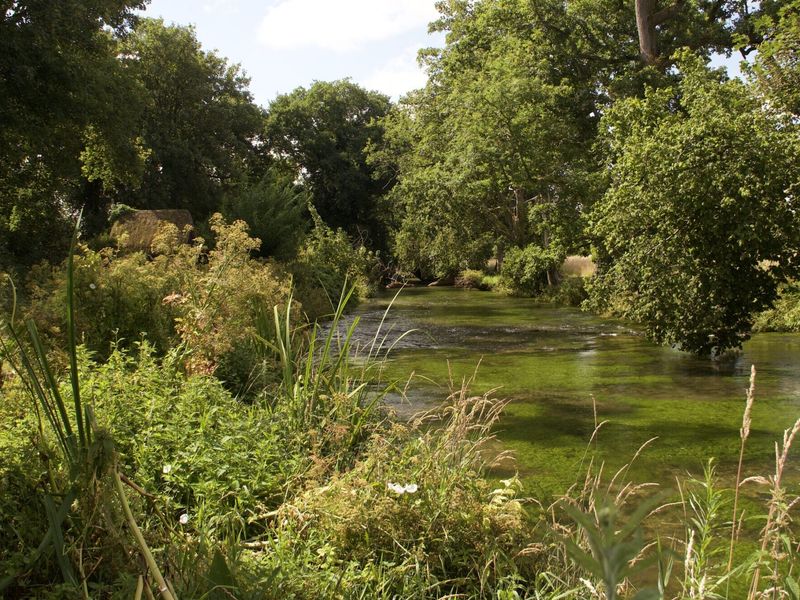
River Test
Bossington Estate
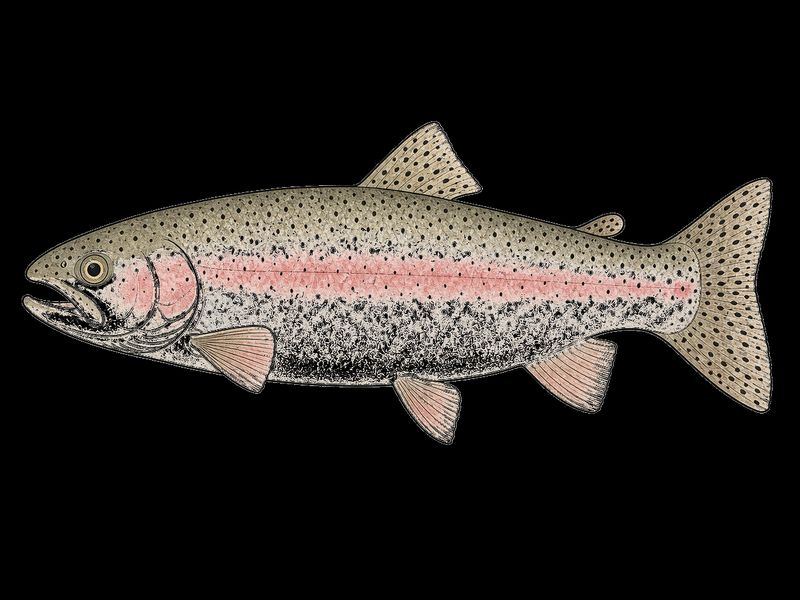
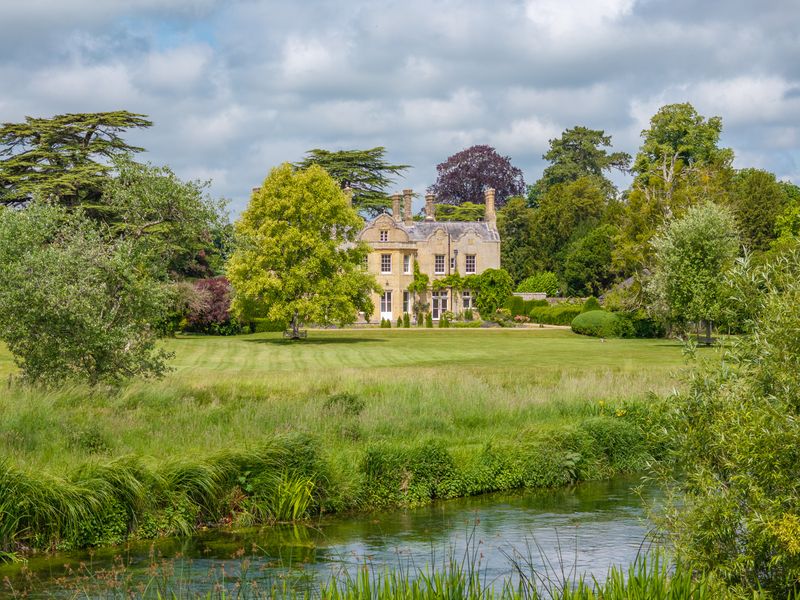
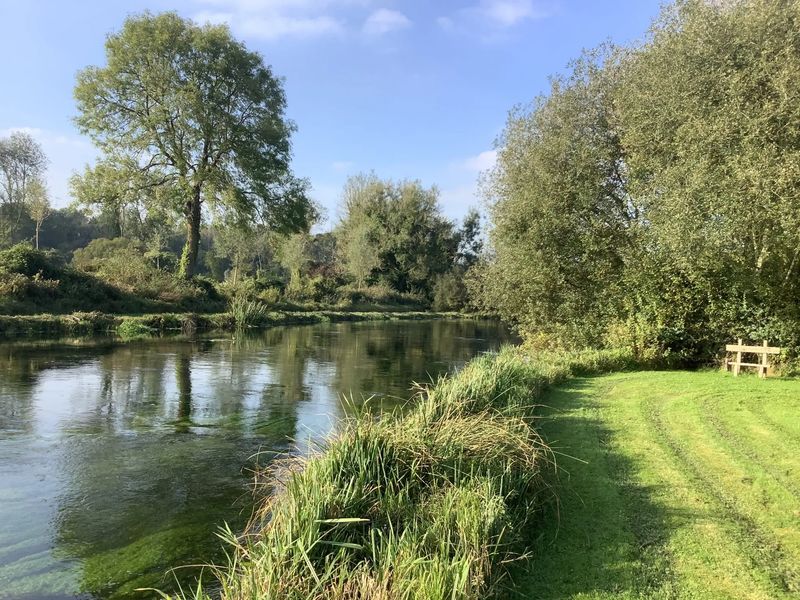
Sitting on the middle River Test, south of Houghton near Stockbridge, Bossington Estate lies in a catchment well known as the birthplace of dry fly fishing — it was on the banks of the River Test that Frederick Halford honed the ground-breaking thoughts that effectively invented modern dry fly fishing in the late 1800s. The fishery offers seven beats across the estate: six on the main river — Rushams, Home, Old Stews, Home Stream, House, and Old Station — plus two miles of the Wallop Brook, a lively tributary of the Test. The river beats each have their own individuality, with deep pools, riffled water and gravel beds, while the Wallop Brook fishes like a true chalk stream, rewarding patience and stealth. The iconic Home Beat is the most famous of all Bossington beats, where a Victorian thatched fishing hut offers magnificent views downstream. Every beat has its own fishing hut, and a secluded self-catering hut serves Horsebridge Lake, a spring-fed still water stocked with rainbow trout. Day tickets are available on all beats, and the estate provides GAIA and AAPGAI-qualified instructors for one-to-one or group tuition covering fly-fishing fieldcraft and casting. Equipment hire covers rods, tackle, clothing and flies, and corporate days with full catering and picnic hampers can be arranged through the estate office.
River Test
Chilbolton Fishery
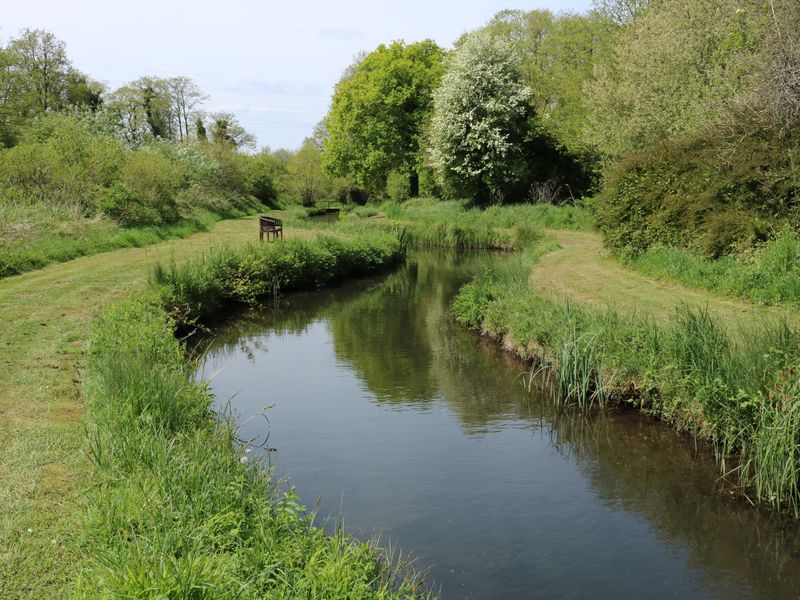
A private, secluded 280-metre stretch of the main River Test, Chilbolton Fishery sits beside Chilbolton Cow Common in the Test Valley, Hampshire, at the point where the rivers Dever and Anton join the Test. This family-owned fishery is not run as a commercial enterprise; the ethos is to enjoy a day on the River Test with the knowledge that when you book, you have the whole place to yourself. The single beat has two islands, a comfortable rustic fishing hut, and numerous seats and jetties. During the winter of 2021, the Wessex River Trust carried out extensive bank improvements resulting in better access and a more sinuous river profile. Anglers fish for brown trout and grayling under a strict upstream dry fly and nymph-only rule, with no wading permitted. The beat offers variation — slower stretches suited to dry fly work and faster runs ideal for nymphing. Day tickets are available, and a selection of tackle is available to hire on site. All grayling must be returned, trout under 12 inches returned, and the brown trout limit is five fish per day. For visiting fly fishers who want a quiet, unpressured day on a genuine Hampshire chalk stream, Chilbolton Fishing delivers exactly that.
Fed by the River Test
Kimbridge Meadow Fishery
Kimbridge Meadow Fishery sits on the middle River Test in Hampshire, between Romsey and Stockbridge, on a man-made fishery created in the early 1980s, when water from the main River Test was diverted through water meadows and woodland. The fishery is split into four named carrier beats — Cottage Stream, Garden Stream, Alder Stream, and Woodland Stream — with a day ticket giving access to all four. A total of 2.17 miles of riverbank can be fished, and most of the fishing is double bank, with Cottage Stream the only single-bank beat. The fishery operates as a purist upstream dry fly venue; upstream nymphing is permitted from 1 August. The clear water, steady flow, and high levels of dissolved minerals create a unique ecosystem that sustains an abundance of invertebrates, making sight fishing for brown trout the primary draw. The season runs from 1 May to 12 October, with a maximum of four individual rods on any day, or up to six for an exclusive group booking. Day tickets and equipment hire are available, and the fishery is well equipped with a fishing hut, riverside benches, a picnic area, a BBQ area and toilet facilities.
River Nadder
Compton Chamberlayne
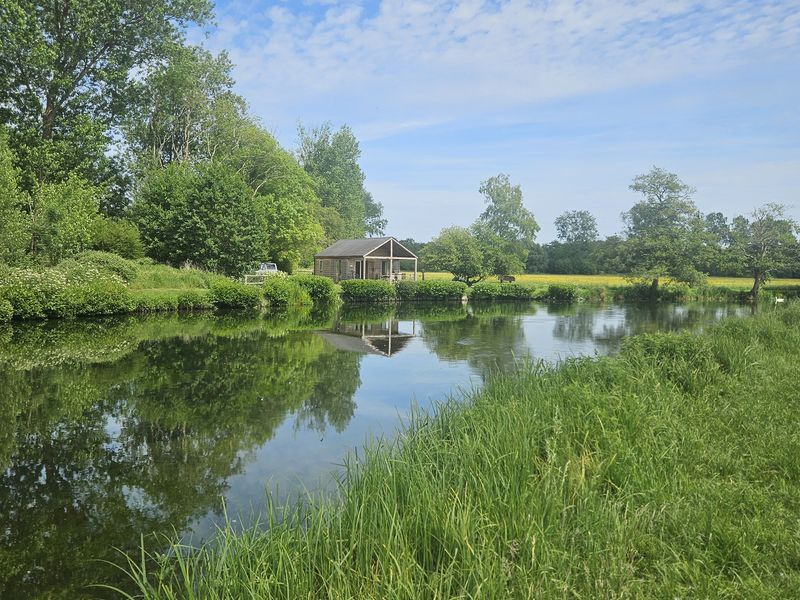
Sitting within the Compton Chamberlayne Estate just west of Salisbury, Compton Chamberlayne offers 7 beats of fly fishing on the River Nadder in . The Nadder is classed as a mixed-geology chalk stream: it flows over chalk where the main fishing takes place but rises in greensand and clay beyond the chalk. Deeply incised into the valley floor, the river runs through a series of serpentine bends that slow the current and create sequences of riffles and deep pools. The beats vary considerably, with slower stretches suited to mayfly hatches and shallower riffles that fish well through the summer months on smaller olives. Each beat is sold for two rods, and the banks are mown for easy access without being overly manicured. Upstream dry fly is the rule until 1 July, after which upstream nymph fishing with a maximum size 12 hook is permitted. The river holds both wild fish and stocked brown trout. The season opens well with grannom hatches, and the mayfly that follows can be spectacularly good even after heavy rain and in poor visibility conditions. The fishery offers Day tickets, and each beat is equipped with a fishing hut complete with table and chairs. Catch returns are submitted to the river keeper at the end of the day. Day tickets start from £210.
River Test
Timsbury Fishery
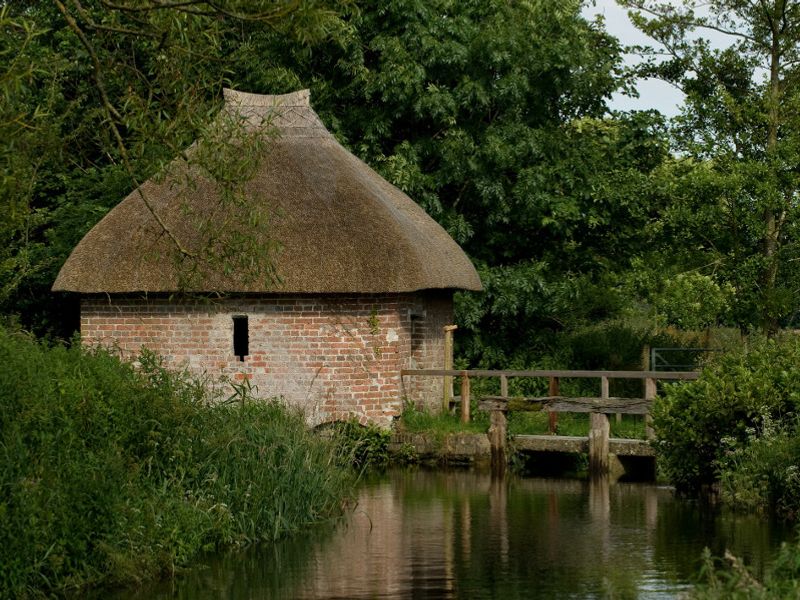
Located on the middle reaches of the world-famous River Test, perfectly situated between Romsey and Stockbridge, Timsbury Fishery offers a truly historic chalk stream fly fishing experience. Spanning over three miles of meticulously maintained water, the fishery is divided into four exclusive two-rod beats. Each beat provides a captivating variety of fishing, incorporating stretches of both the wide, glassy main river and the intimate, challenging carrier streams. Managed primarily as a highly sought-after syndicate, Timsbury also accommodates select day ticket rods and guided experiences. Anglers are treated to classic upstream dry fly and nymph fishing for exceptional wild brown trout, complemented by a careful stocking of premium rainbow and brown trout. During the winter months, the fishery transforms into a highly regarded destination for specimen grayling and quality coarse fishing. Beyond the water, Timsbury delivers a superb level of comfort and hospitality. At the heart of the estate sits a fully equipped, modern fishing lodge featuring a kitchen, secure rod room, and a spacious patio overlooking the main river—perfect for relaxing with fellow rods. With additional huts stationed strategically across the beats, Timsbury Fishery provides a complete, premium sporting day on the legendary River Test.
River Frome
Wrackleford Estate
The River Frome is the most westerly of England's chalk streams, and it rises in the chalk downs of west Dorset, maturing into a fine trout river by the time it reaches Wrackleford. The Wrackleford Estate sits in the Frome valley, with the river flowing through a series of water meadows and withybeds just north of Dorchester. Four of the estate's beats — 7 Hatches, Wrackleford Home Beat, Gaston Bridge Beat, and The Bricks Beat — are available on day tickets, with dry fly the required method. The beats vary in character: 7 Hatches covers three-quarters of a mile of main river for a single rod, Wrackleford Home Beat accommodates up to two rods on a similar stretch with a thatched fishing hut, and The Bricks Beat fishes a half-mile section of the Frome carrier. Each beat is well tended, regularly stocked, and has a fishing hut for shelter. Fly hatches occur consistently through the season, including a strong mayfly appearance in early June. Beyond the water, the estate offers tuition from a qualified instructor, equipment hire, and on-site accommodation ranging from B&B to self-catering, with parking, a lodge, kitchen, and picnic tables all available for visiting anglers.
What is a chalk stream?
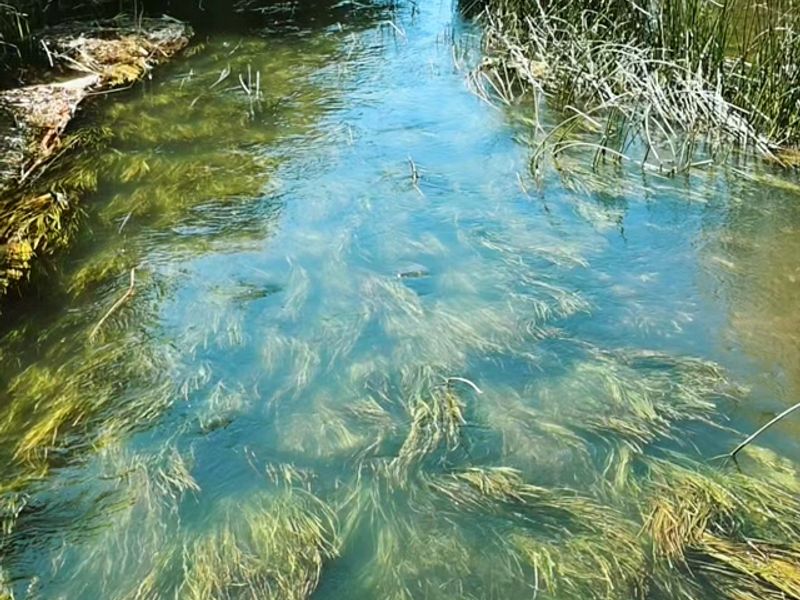
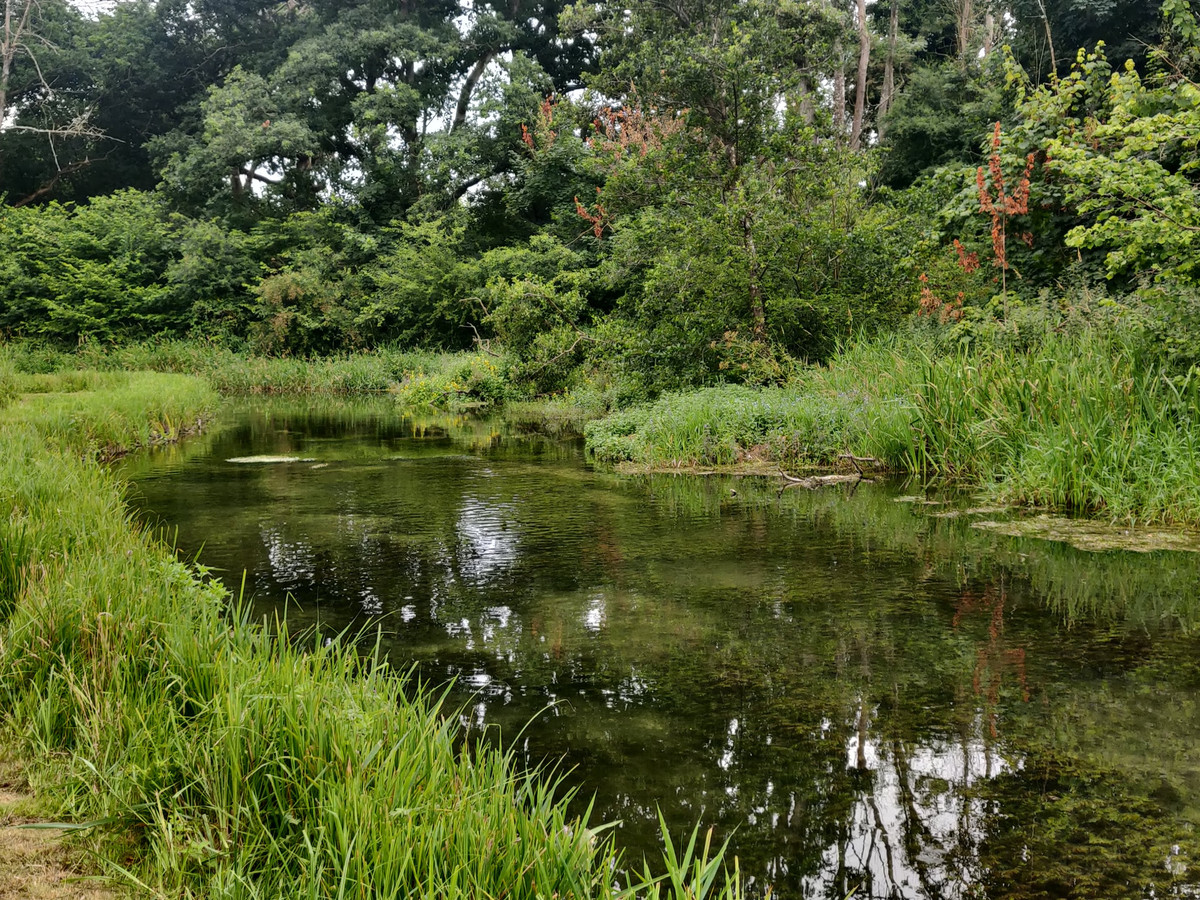
A chalk stream starts as rain falling on chalk hills. The chalk filters it slowly underground before it emerges as a spring, which is why the water runs clear and stays close to the same temperature all year, cool in summer and mild in winter. That stability is unusual: most rivers rise and fall with the weather, but a chalk stream barely reacts to a single rainy or dry week.
The steady flow and temperature let weed grow thick through the summer, and the weed holds an unusually rich head of insect life, which is what draws wild brown trout and grayling and makes dry-fly fishing so productive on rivers like the Test and the Itchen. Chalk streams are also rare: the geology that makes them only occurs in a handful of places worldwide, and most of it is in southern England.
FishingBeats helps you discover, compare, and book these waters direct with the fishery.
Booking agents and guides
Booking agents and operators offering guided days, day tickets, and fishing on chalk stream beats.
Fishing Agent
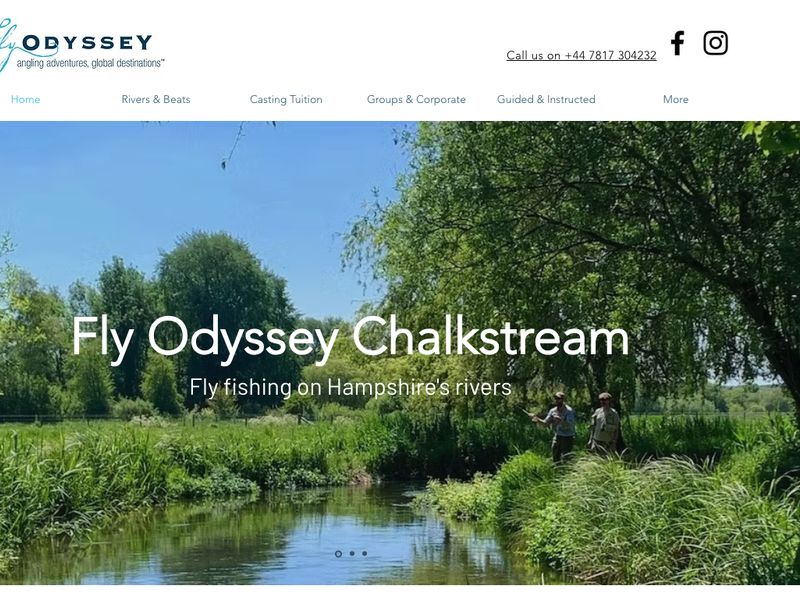
Fly Odyssey Chalkstream
Fly Odyssey Chalkstream offers fly fishing across the River Test, Itchen, and more chalkstreams, with days available for single anglers, groups and corporate bookings, alongside casting tuition and guided days for all levels of experience — from manicured beats on private estates to classic water meadow and small wild streams holding brown trout. Beginners benefit from having a guide on hand to develop presentation skills and an understanding of trout behaviour and fly selection, while seasoned anglers can use guided days to refine advanced casting technique and learn how to approach more difficult fish. The business is led by Gilly Bate, a qualified casting instructor with 20 years' experience, and instructors hold AAPGAI and GAIA qualifications, with full insurance, first-aid certificates and DBS checks. Casting tuition covers single-handed, double-handed and saltwater disciplines, and sessions also cover entomology, fly selection, watercraft and understanding trout habitat.
Fishing Agent
We Fly Fish
We Fly Fish offers guided fly fishing on chalk streams across Wiltshire, Hampshire, and Berkshire — covering the rivers Test, Avon, Itchen, and Kennet, the historic heartland of English dry fly fishing. Guided days on these beats include all equipment and day tickets (permits), with locations ranging from upper river sections where wading is allowed to wider lower river sections fished from the bank, some offering exclusive use for a small group and others fished one-to-one with a We Fly Fish Pro. We Fly Fish Pros are fully insured and qualified to coach at all levels of experience, with backgrounds that include representing the country in competitive fly fishing and fly casting, and training and assessing coaches for the sport's National Governing Body. Guided days run almost all year round, switching from trout as the target species in summer to grayling and pike in the winter months. Some of their waters are not available to the public, giving anglers access to private beats that sit outside the usual day-ticket market.
Fishing Agent
Wildetrout
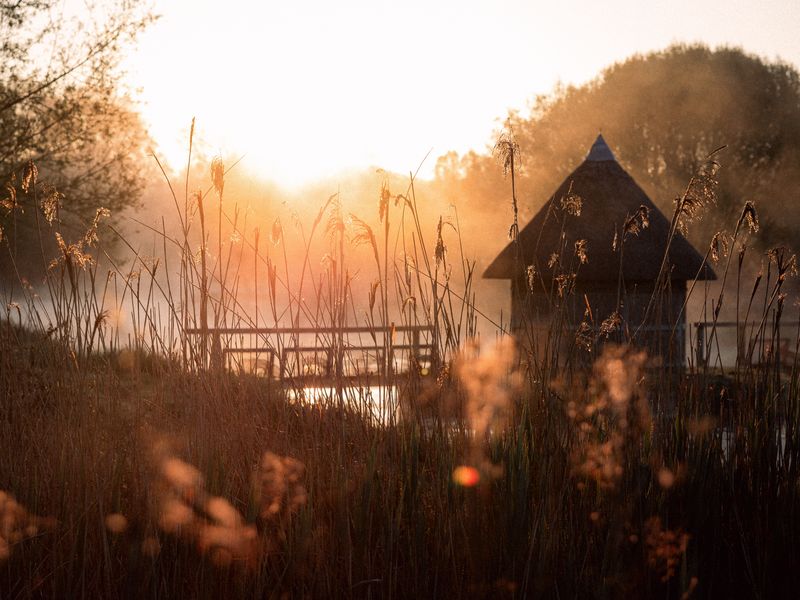
Wildetrout was founded by fishing guide and riverkeeper Jamie Pankhurst, whose background spans guiding, keepering, and fishing agency work across the southern chalk streams. Beats cover rivers across Hampshire, Wiltshire, Berkshire and Dorset, with the River Test as the core focus. A notable partnership with the Wessex Rivers Trust brings exclusive chalk stream fly fishing on the Oakley, Rectory, and Dun beats at Mottisfont Abbey on the River Test. Rivers covered include . Wildetrout lists 0 beats in total. Anglers can choose to be accompanied by a Wilde Guide, acting as a personal ghillie equipped with expert local knowledge, premium tackle, and hand-tied flies, or set out unguided with all the kit provided. Services include private tuitions and courses, fishing guides, tackle hire, corporate and group days, and picnic hampers.
Articles and guides
Guides, river profiles, and stories from England's chalk streams.
FAQ
Chalk stream fishing FAQs
The questions we hear most from anglers planning a day on a chalk stream. Click a question to read the answer.
01What is FishingBeats?
02What's the difference between a beat and a fishery?
03How do I find a beat near me?
04Do I book through FishingBeats directly?
05How is pricing decided?
06What type of fishing does FishingBeats cover?
07Do I need an EA rod licence to fish any of the beats listed?
08Can I list my own beat or fishery on FishingBeats?
Ready to find your beat?
Use our interactive map to explore fishing beats across England's finest chalk streams.
Open the Map